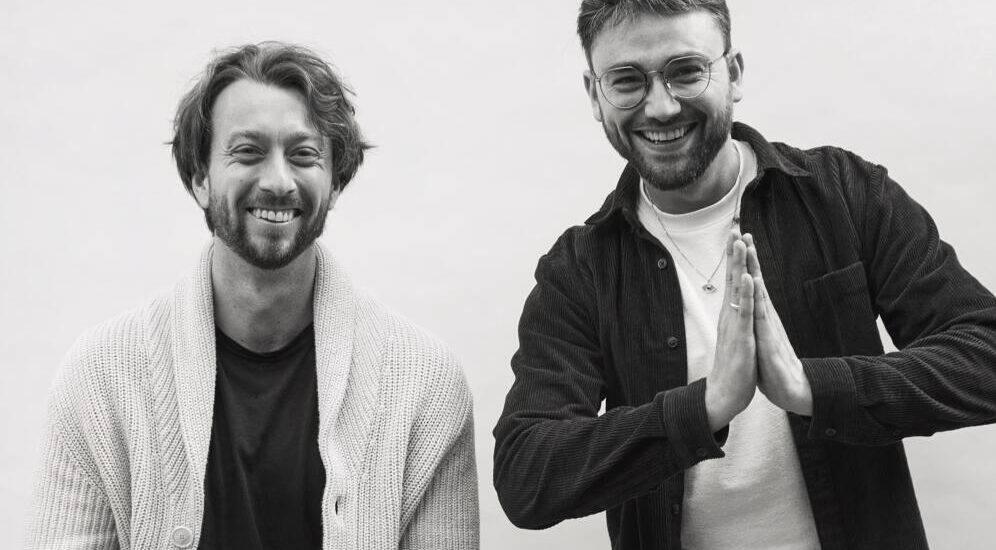
An Interview with Justin Hackney and Xavier Collins
Co Founders, Wonder Studios
What happens when two entrepreneurs decide the future of entertainment shouldn’t belong to Hollywood studios alone?
One came from ElevenLabs. The other was building film rights businesses and experimenting with AI dubbing. Together they launched Wonder Studios, a modern entertainment company that’s part production studio, part creative incubator, part talent network, and part distribution platform. Their goal is ambitious. Help the next generation of filmmakers own more of their work, build audiences directly, and create films that might never have been greenlit under the traditional system. This is my interview with Justin Hackney and Xavier Collins.
For people who haven’t heard of Wonder Studios, how do you describe what you’ve built?
Justin: The simplest way to describe it is that we’re a modern entertainment studio.
We’re very AI native and technology focused, but at the core we’re creating films, producing commercials, and figuring out how these new tools can help rethink filmmaking, IP ownership, and creative production.
We’re constantly asking how we can push the bar higher alongside some of the best creatives in the world.
Xavier: I think Justin summed it up well.
If I had to put it into one sentence, we’d say we’re trying to build the definitive entertainment company for this next generation.
We work across commercial production, advertising, and original content, but ultimately we’re connecting emerging filmmakers with technology while building bridges between Hollywood, independent creators, and new talent around the world.
The goal is helping great storytellers make great work.
How did the two of you come together to build Wonder Studios?
Xavier: It’s a bit of a long story.
At the time I was running a film rights fund after working at Turo. We’d acquired the French rights to a Sylvester Stallone film and wanted to recreate the voice of Alain Dorval, the legendary French actor who dubbed Stallone before he passed away.
We thought maybe ElevenLabs could help.
After getting turned down several times, we eventually found Justin, who was Creative Director there.
We completed that project together, then happened to be at the Cannes Film Festival at the same time.
Justin showed me an AI generated Alice in Wonderland trailer he’d created that had already reached millions of views.
The moment I saw it I said, This is going to change everything.
That conversation became the beginning of the company.
Our original company name was actually Rabbit Hole Labs, inspired by that Alice in Wonderland trailer.
Justin: I had been at ElevenLabs during that early period of explosive growth, helping build the brand, media team, and product storytelling.
It also gave me access to incredible conversations with companies like Disney, where it became obvious to me that filmmaking was about to evolve.
Meeting Xavier happened at exactly the right time.
We complemented each other really well, and the technology had reached the point where it felt early enough to build something meaningful.
What accomplishments are you most proud of so far?
Xavier: We’ve achieved a lot in a very short amount of time.
The biggest thing, honestly, is the team we’ve assembled.
We’ve been intentional about hiring people who are kind, transparent, incredibly smart, and genuinely mission driven.
That culture started attracting more exceptional people.
We’re bringing in talent from A24, CAA, and some of Europe’s leading technology companies.
For a company that’s still relatively young, attracting people of that caliber tells us we’re building something meaningful.
We’ve done Times Square campaigns, met incredible people, and worked on exciting projects, but at the end of the day a company is only as good as the people inside it.
That’s what I’m most proud of.
What projects are you personally most excited about right now?
Justin: The commercial work has been fantastic.
We’ve done projects with companies like Granola and ElevenLabs that really show how these tools can elevate storytelling instead of replacing it.
But what excites me most is Beyond the Loop Season Two.
We’ve found incredible filmmakers, supported them with technology and resources, and the quality has gone from an interesting experiment in Season One to films that are now being showcased at Tribeca and recognized alongside work from companies like Netflix.
That was always the vision.
Find the best filmmakers in this new space, give them a platform, and help take their work to the next level.
As Xavier likes to say, we’re trying to help creatives become founders.
Wonder feels bigger than a production company. How is the business actually structured?
Xavier: That’s a question we hear all the time because people see us doing a lot of different things.
It really starts with our creative community.
We’ve built a network that includes AI filmmakers, traditional VFX artists, writers, directors, and emerging storytellers.
Our mission is helping filmmakers become founders.
As production costs fall and creators begin owning more of their own IP, we believe the balance of power shifts back toward the creative community.
We want to accelerate that.
On top of the community we’ve built an in house production engine.
We create commercial work for companies like Granola, ElevenLabs, Google, and others while bringing talented filmmakers from our community into those productions.
Then there’s original content.
Beyond the Loop is essentially our version of Y Combinator for filmmakers.
We identify promising storytellers, invest in them, provide funding and support, then help them create ambitious short films.
Season Two includes seven filmmakers and has already passed seven million online views with only three films released so far.
Our creators range from Grammy nominated artists to Eric Vogel, the creator of Celebrity Deathmatch.
The final piece is distribution.
We’re not trying to replace YouTube or Netflix.
Instead we created Wonder TV, which functions a little like what Substack did for writers.
Every month we spotlight five outstanding films from emerging creators.
From there we help filmmakers build direct relationships with audiences through donations, behind the scenes content, educational courses, and additional ways to support their work.
Everything is designed to help creators build sustainable careers around their own audiences.
What’s the biggest challenge you’re facing right now?
Justin: Finding extraordinary talent.
We need people who embrace these new tools while bringing years of filmmaking experience and strong creative instincts.
As AI adoption grows, that becomes even more competitive.
Thankfully we’ve attracted some incredible people so far, but maintaining that level of excellence will always be one of our biggest priorities.
Xavier: For me it’s focus.
We’re fortunate that many of the things we try actually work.
The challenge becomes deciding what not to pursue.
There are opportunities everywhere.
The discipline comes from saying no to good ideas so you can concentrate on the truly great ones.
We’re defined just as much by what we don’t do as what we choose to build.
Doing fewer things better has become one of our biggest lessons.
Where do you see Wonder Studios two years from now?
Justin: I see us standing on stage accepting major awards alongside the incredible artists we’ve worked with.
Whether that’s Cannes, Tribeca, or somewhere else, I think we’ll be recognized for helping creators build work that deserves to compete at the highest level.
We love the idea of bypassing Hollywood, but we also love building bridges into the industry.
Connecting creators, educators, studios, and technology together is a huge part of our mission.
I honestly think that moment could come even sooner than two years.
Looking beyond Wonder Studios, where do you think the entertainment industry is headed over the next two years?
Xavier: I think AI becomes much more normal as a production tool.
I don’t believe it’s going to replace actors or that fully AI generated movies suddenly become the new standard.
What I do believe is that great writers, directors, actors, and filmmakers will use these tools to lower production costs, speed up development, and finally get projects made that would otherwise sit in development for years.
I genuinely think we’re heading toward a creative renaissance.
As production becomes more affordable, more creators will be able to make original work, more stories will get greenlit, and the range of new IP entering the market will grow dramatically.
That’s the future I’m excited about.