

Why Every Toy Company Needs a YouTube Animated Series in 2025 (Hint: It’s Where the Kids Are!)

Why Every Toy Company Needs a YouTube Animated Series in 2025 (Hint: It’s Where the Kids Are!)

Let’s face it: kids aren’t glued to the TV anymore. Gone are the days of rushing home to catch the latest episode of SpongeBob or Hannah Montana. In 2025, their eyeballs (and their parents’ wallets) are on YouTube. If toy companies want to stay relevant and actually sell products, it’s time to get serious about creating animated series tailored to this digital-first generation.

The Decline of Traditional TV

Disney Channel? Nickelodeon? Once titans of kids’ entertainment, these networks are struggling to compete. Disney reported a 17% drop in cable viewership last year, while Nickelodeon’s ratings have been steadily declining for years. Why? Kids don’t want to watch TV on a schedule—they’re on-demand, multi-device aficionados now. And where do they go for that? YouTube.

YouTube Is the New Playground

Over 2 billion monthly users are on YouTube, and a huge chunk of that is kids. They’re not just watching; they’re obsessed. Channels like CoComelon and Ryan’s World have proven that if you build it (and make it fun), the kids will come—and so will their parents, credit cards in hand.

Case Studies That Prove It Works

  1. Ryan’s World: $250 Million and Counting What started as a kid reviewing toys turned into a merchandising empire. Ryan’s World products, from mystery eggs to action figures, rake in over $250 million annually, and it all began with YouTube.

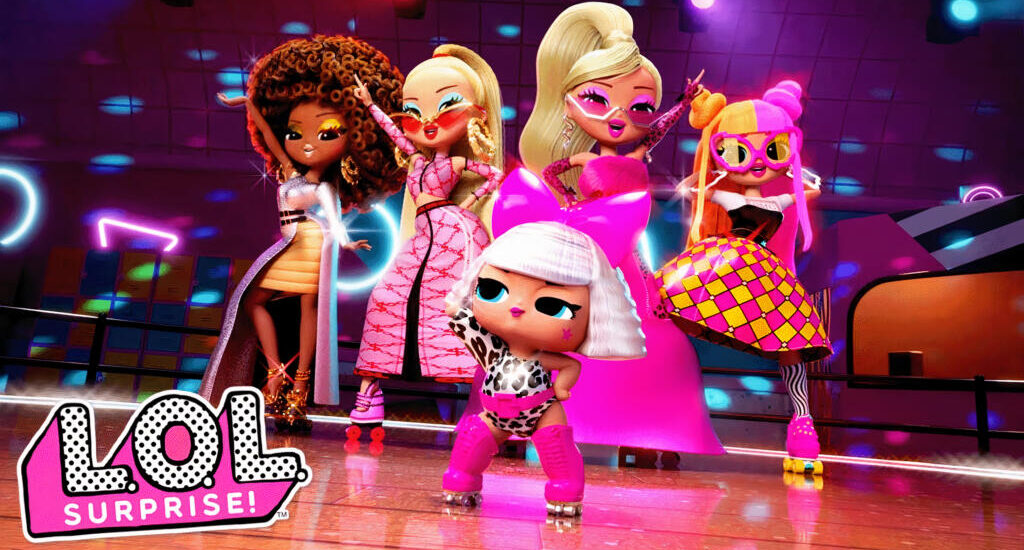
  2. L.O.L. Surprise! Dolls: 5 Billion Views MGA Entertainment leaned into unboxing videos and animated YouTube shorts to keep kids hooked. The result? Billions of views and skyrocketing sales. L.O.L. Surprise! became a household name, cementing its spot as one of the top-selling toy brands.

  3. Heroes of Goo Jit Zu: A Viral Hit Moose Toys launched their “Heroes of Goo Jit Zu” series on YouTube, amassing over 120 million views and turning quirky stretchable figures into must-have toys. The strategy? Make kids laugh and let the toys sell themselves.

  4. Skibidi Toilet: From Meme to Retail Sensation Bonkers Toys jumped on the viral YouTube meme and launched a toy line that flew off Walmart shelves. The buzz wasn’t just online; it was backed by real sales that made the holiday season a goldmine.

Why YouTube Animated Series Are a Game-Changer

  • Direct Access to Kids and Parents
    You’re not just selling toys—you’re creating stories kids fall in love with. That’s emotional marketing at its finest.

  • Cost-Effective Production
    Think an animated series is expensive? Not anymore. Advances in animation tech mean you can create a high-quality series for a fraction of what traditional TV production costs.

  • Global Reach
    YouTube isn’t limited by borders. Your brand can be seen by kids in Tokyo, Toronto, and Tulsa all at once.

  • Integrated Marketing
    Your toys become characters, not just products. When kids see their favorite characters in a show, they’re more likely to want the toy version.

How to Get Started

Don’t know where to begin? Companies specializing in YouTube animated series can guide you from concept to production, ensuring you’re creating something kids love and parents trust. And the ROI? It’s massive. You’re not just boosting sales; you’re building a brand kids will grow up with.

The Bottom Line

If you’re a toy company looking to thrive in 2025, traditional advertising won’t cut it. YouTube is where the action is, and animated series are your golden ticket. Don’t miss out—get your brand where the kids are and watch your sales soar. The future of toys is storytelling, and the time to start is now.

Questions & Answers

Why do toy companies need a YouTube animated series?

Because that’s where the kids are. Over 2 billion monthly users are on YouTube, a huge chunk of them kids, while traditional kids’ TV is shrinking — Disney reported a 17% drop in cable viewership last year and Nickelodeon’s ratings have declined for years. Kids watch on demand, across devices.

What toy brands have proven a YouTube series works?

Ryan’s World grew from toy reviews into a merchandising empire raking in over $250 million annually. MGA’s L.O.L. Surprise! leaned into unboxing videos and animated shorts for billions of views — 5 billion — and top-selling dolls. Moose Toys’ Heroes of Goo Jit Zu passed 120 million views, and Bonkers Toys turned the Skibidi Toilet meme into a toy line that flew off Walmart shelves.

Is a YouTube animated series expensive to produce?

Not anymore. Advances in animation tech mean a toy company can create a high-quality series for a fraction of what traditional TV production costs — and YouTube gives it global reach in Tokyo, Toronto, and Tulsa at once. See how one creator does it in the laptop AI animation walkthrough.

How does an animated series sell toys?

The toys become characters, not just products. Kids fall in love with the stories and characters, and then want the toy version — emotional marketing that traditional advertising can’t match. For the wider shift, read the AI Animation Revolution interview.


About the Author

You may also like these

Cookie Choices