An Interview with Ashley Mady
President of Zigazoo
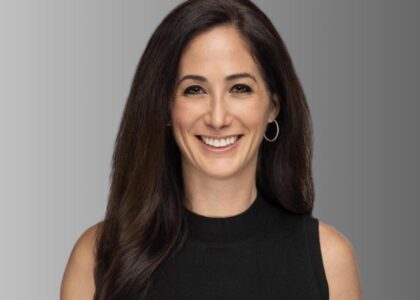
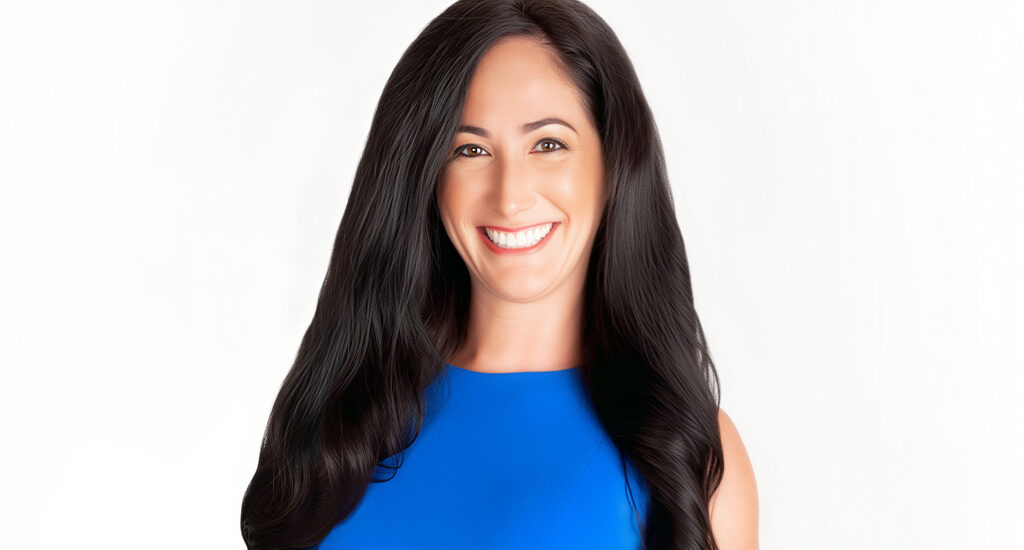
Most social platforms were never built with kids in mind. Ashley Mady is trying to change that. As president of Zigazoo, she is helping grow what the company calls the world’s largest social network for kids and teens, a video first platform designed to give young users a safer, more positive place to create, connect, and participate online.
In this conversation, Mady talks about what makes Zigazoo different from passive kids platforms, why safety and positivity have become such a powerful draw, how the company grew to more than 10 million users, and why she believes Zigazoo could become the Nickelodeon of 2030.
For people who are not familiar with Zigazoo, what exactly is it?
We are the world’s largest social network for kids and for teens. We’re really safe social media because the internet was not designed for kids, and they may end up in a lot of places where they shouldn’t be. They need a safe space to create with their peers. We believe creation is something kids need to be doing, and we need a safe space that moderates everything so they can do just that.
What is the experience like for kids using Zigazoo?
We’re often compared to TikTok for kids. We’re a video first app. Kids are either creating their own content or, more often, responding to challenges hosted by big brands, celebrities, or their favorite creators. They get to interact with their peers, throw challenges to others, and things go viral in the app. They can do the latest dance trends, show off a soccer win, and take part in the kinds of things happening on social media, but in a positive only environment.
How is Zigazoo different from platforms like YouTube Kids?
A lot of platforms designed for kids, or that are COPPA compliant, are stuck in watch me mode. Kids are just consuming content passively all day. Zigazoo flips that. It’s all about engagement. We’re centered on project based learning, and kids get to respond and create their own videos. That’s what makes us different, and our moderation is what makes us special.
How did you become involved with the company?
I’m the president of Zigazoo. I joined the company after they were two years old. It was founded by two parents and former educators who built it out of the need for their own kids to be safe online. A friend of mine from the industry invested in the company and said they needed me on the team. That’s how I ended up there.
Today, a lot of what I do is shape our commercial partnerships, work with our top creators, and help carry our brand narrative across the industry through PR, storytelling, and strategic partnerships.
How big is Zigazoo today?
We were born during the pandemic in 2020, so being virtual has always been part of our DNA. We have team hubs in Miami and New York, but we’re digital and can show up just about anywhere. We have creators across the country and around the world, though we are predominantly in the U.S.
Importantly, we now have over 10 million users, ranging from kids as young as 5 up to 15 and 16. And we keep getting cooler every single year.
What has surprised you most about your users?
One of the biggest surprises is how much kids and teens love safe and positive spaces. Even teens over 13 are not leaving Zigazoo. They’ve created their friend groups there, and they’re staying because they really value the positivity and the safety programming we’ve built into the app.
Our users also teach us every day. Through the way they use the platform and through our polling features, we learn what they want to see culturally, what brands are trending, and what matters to them. It gives us a chance to lift kids’ voices while learning from them at the same time.
When you say Zigazoo is the largest social platform for kids, what does that actually look like?
We have over 10 million users. We have more than 1,000 Gen Alpha superstar creators, including Disney and Nickelodeon stars and major influencers in their own right. We’ve had hundreds of celebrities on the app, from Jimmy Fallon to Reese Witherspoon to LeBron James and Daymond John.
We also work with over 100 brands. That includes partners like Paramount, Netflix, DreamWorks, U.S. Soccer, and Urban Air. It’s not just toy companies or traditional entertainment companies. It’s really anyone that wants to reach kids. On the investor side, companies like iHeartRadio and the NBA are involved too. We keep really good company at Zigazoo.
Where do you want Zigazoo to be in the next couple of years?
Our goal is to be the Nickelodeon of 2030. We’re already shaping so much of a kid’s social experience inside the app, and there are tons of opportunities for us to show up in new ways and create new features. You should expect original content, franchises, and a lot more to be born through what we’re building.
What is one of the biggest challenges the company is facing right now?
Awareness. We are known, and we’re more well known now than when we first started, but more parents need to know there is a safe space for their kids online. Kids already have that playground currency and are telling their friends, but parents still need to be the ones saying, you should not be on that other platform because it is not safe for your well being. There is still a lot of important work to do there.
What kinds of opportunities are there for creators, IP owners, and production companies that want to work with Zigazoo?
We’re really open minded about how that unfolds. Our platform is a strong fit for micro series, clip shows, and creator first content. We also have some of the biggest creators on the platform, which means Zigazoo can function as a casting vehicle too.
Brands are already using Zigazoo to build kid communities and fandoms, then taking that success to other platforms and saying, here is the long form series and here is the community that is already in love with it. There are already a lot of ways that IP owners and production companies can show up on Zigazoo today, and there’s more coming.
Ashley Mady is not just talking about safer digital spaces for kids. She is helping build one at scale. And if Zigazoo keeps growing the way it has, the company may end up doing more than protecting young users online. It may help define what kids entertainment, community, and creator driven fandom look like for the next generation.