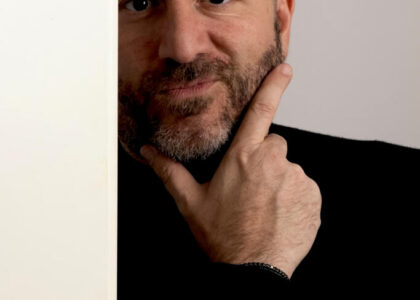
An Interview with Andres McCorkle and Michelangelo Corkrum
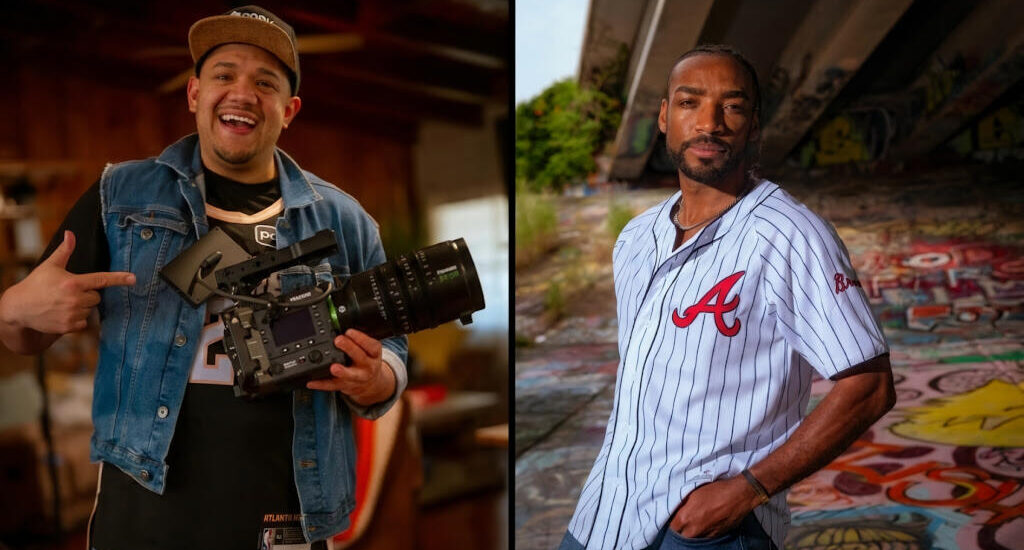
Co-Founders, Cork Bros
Most filmmakers spend years trying to get one project off the ground. Andres McCorkle and Michelangelo Corkrum wrote, funded, cast, directed, produced, shot, and edited a 90 episode vertical drama in less time than most productions spend in pre-production.
The Atlanta-based friends behind Cork Bros are part of a new wave of filmmakers building cinematic stories specifically for the phone screen. But unlike many microdramas built around recycled tropes and cheap hooks, their goal is different. They want people to walk away feeling emotionally moved, not guilty for wasting time scrolling.
For those who aren’t familiar with who you are, tell us about yourselves and the company.
Andres handles producing and marketing, while I (Michelangelo) focuses heavily on writing and directing. Together we recently completed a 90 episode vertical drama in just four shooting days.
We just finished talks with distribution. It’s going to be on TikTok later this summer.
For people still trying to understand it, what exactly is a microdrama?
A microdrama, or vertical drama, is exactly what it sounds like. It’s made for the phone screen. The cinematography, the blocking, everything is designed vertically.
Episodes usually run anywhere from 45 seconds to 3 minutes, with dozens of episodes making up the larger story.
The format is exploding because audiences still crave serialized storytelling, but now they want it native to their phones.
You’ve seen TikTok start pushing them, but now Netflix, Disney+, Paramount, Amazon Prime… everybody’s moving toward it because attention is on the phone screen now.
What is your series actually about?
Our first microdrama is called Mama’s House.
It’s about a mother who saves her three daughters through her death.
The mother dies in the first episode. To receive their inheritance, the estranged sisters are forced to read letters from their mother out loud.
Each daughter represents a different emotional struggle.
One is the caretaker who always put her life on hold for everybody else.
One is the quitter who never got going in life.
And the third is the perfectionist who thinks she has the perfect family and perfect job until she finds out things aren’t what they seem.
A lot of vertical dramas lean heavily into familiar tropes. Why go a different direction?
We really see ourselves as storytellers first.
Many vertical dramas feel disposable. Entertaining in the moment, but ultimately empty.
A lot of people feel guilty after scrolling for two hours. We wanted people to leave our story feeling the opposite.
The turning point came after seeing Alicia Keys’ Hell’s Kitchen in Atlanta.
Everybody leaving the theater felt energized. You could talk to anybody after the show and they’d be excited about it. We looked at each other and said, that’s the feeling we want people to leave our stories with.
Instead of building around CEO vampires or cheap cliffhangers, we wanted emotional resonance.
We want people saying, man, you’ve got to watch this too.
Were you scared audiences might reject something different?
Absolutely. We’d rather do something we’re passionate about than just copy what everyone else is doing.
I (Michelangelo) admitted there’s always fear when you spend months building something and then finally release it into the world.
We hope people receive it, share it and are touched by it. We like it. We hope people like it too.
How insane was the actual production timeline?
Very insane. We read the script together on January 7th.
By February 19th, we had wrapped all 90 episodes.
In 43 days we cast it, secured locations, got funding, partnered with Fujifilm and Adorama, and shot the entire thing.
The production also secured over $35,000 worth of camera gear support during that process.
How much content did you actually shoot in those four days?
About 90 to 110 minutes of screen time.
Essentially a feature film’s worth of material.
Did you write it as a feature first, or was it always intended to be a microdrama?
It was microdrama from the jump.
We had already been experimenting with vertical storytelling since 2019 and believed the format was the future.
But we still approached it cinematically.
We wanted to bring cinema to the vertical frame.
You mentioned wanting it to feel cinematic. How did you approach that technically?
Instead of shooting traditional 9×16 vertical, we shot in a 3×4 format.
It still feels vertical, but it gives a wider, more cinematic view.
We also structured scenes to flow continuously between episodes so the project could eventually function as a single cinematic experience if desired.
We’ve already watched it that way and it flows all the way through.
How did you two actually meet?
Playing basketball at Lifetime Fitness.
Neither originally moved to Atlanta for filmmaking.
I (Michelangelo) had just returned from Nigeria after starting a business there. And Andres had moved from North Carolina.
We became friends before we became business partners.
Did you both already know you wanted to be filmmakers?
Not at all.
We originally started as restaurant consultants. Our first year we made $500 total.
Realizing we needed to provide more value, we pivoted into social media content, then events, then higher-end vertical video production.
We shot over 1,000 events all over the world. Over time, that evolved into a passion for filmmaking and storytelling. Everything was self-taught. Self-funded. We just kept growing.
How did you actually raise the money?
At first, we had no idea. We were prepared to shoot it on a shoestring budget. But we believed the script deserved better.
We need to do this thing the right way. After initially waiting around for funding, we realized we needed momentum first.
We started moving like it was already funded. Casting calls went out. Pre-production started. The project became real.
That momentum changed everything.
My (Michelangelo’s) mother eventually stepped in with the first production funding. Then Andres’ Bible study leader, JJ helped fund post-production and marketing.
The total budget ended up around $46,000.
What did that experience teach you about raising money?
No one’s going to fund something stationary. People backed the project because they believed we were going to make it regardless.
If people see you already moving, they want to help push it across the finish line.
How long did post-production take?
About two and a half months. At the time, it felt painfully long to them.
But afterward we realized how accelerated the entire timeline really was.
We had never done a project this long before. Then we looked back and realized, wait… we only took two and a half months to do all of that.
What would you do differently next time?
I would say marketing. Gary Vee told us years ago, document, don’t create.
Instead of trying to manufacture behind-the-scenes content, we wish we had simply documented the real process more consistently.
That would’ve helped bring people along on the journey and build an audience before release.
Hair and makeup changes destroyed time. Every wardrobe or day change created delays that compounded quickly across multiple actors.
That ultimately affected post-production too because we had fewer alternate takes and coverage options.
You’ve already started the second microdrama?
Yes. Casting actually goes out today. The next project is scheduled to shoot in June.