An Interview with Rennata López
Co-Founder, Lopii Productions
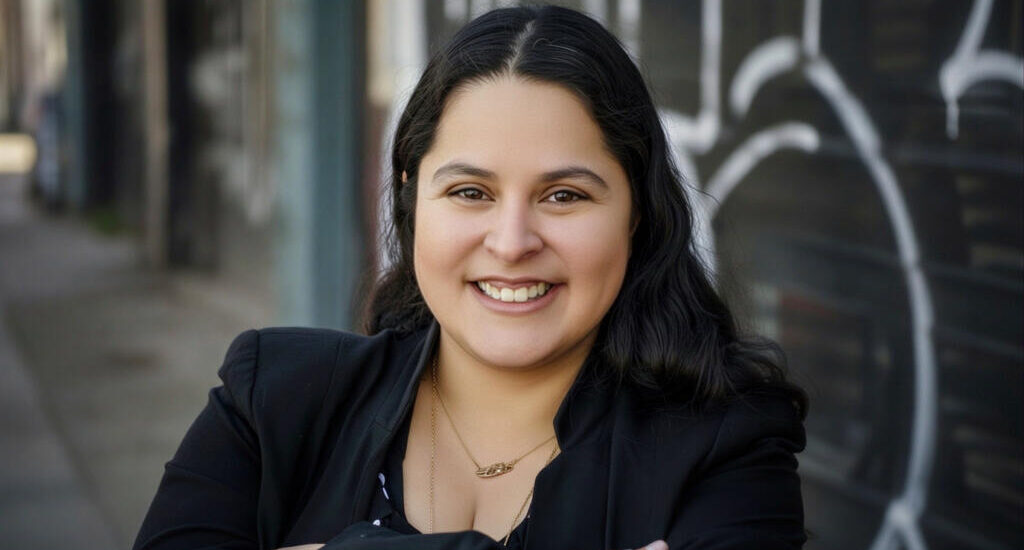
Most kids grow up watching stories that don’t quite reflect who they are. Rennata López is building a company to change that, not with token diversity, but by putting real kids, real stories, and real voices at the center.
For those who aren’t familiar, what is Lopii Productions and what have you built?
We’re Lopii Productions, a boutique production company based in Toronto. Our mandate is simple. Every child should be able to see themselves on TV.
That means we center underrepresented voices, not just on screen but behind the scenes too. We make all kids content, from preschool up to tween, mostly live action. And the goal is really to shake up how things have traditionally been done.
You talk about diversity in a deeper way than most. Why is that so important to you?
Kids’ television has a huge impact. It’s often the first time they see themselves reflected. I remember watching Sesame Street and seeing kids who spoke Spanish and thinking, “Oh my God.” That moment stayed with me.
For a long time, diverse characters were side characters, or their stories were told in a token way. So we say we do diversity, but for real. We want kids telling their own stories. That’s why a lot of our content is unscripted.
You meet a Deaf child. You meet a child with a disability. You meet kids living very different lives. And they’re telling their own stories, not being filtered through someone else.
You’re not just showing diversity. You’re normalizing it. Can you talk about that?
Exactly. With our show Dream It to Be It, we focused on kids going after their dreams. We had a lot of disability representation, but the show wasn’t about being disabled.
It was just kids talking about their dreams like anyone else. We didn’t ask about their disability. That wasn’t the story. The point was they’re just kids. And that matters.
What’s happening in the kids’ space right now? Where are we?
It’s challenging right now, especially in the U.S. There are cuts, layoffs, fewer greenlights. Animation is getting hit really hard.
Our company stayed lean from the beginning, so we didn’t have to scale down. That’s actually helped us. Success for us looks different than a big company with hundreds of employees.
At the same time, we saw that while on-screen diversity improved, behind the scenes it was still the same people making decisions. So we built a company where that’s different. We hire mostly women, a lot of BIPOC talent, people with disabilities. And when your team looks different, the content naturally reflects that.
For people outside the kids’ space, how does the business actually work?
Canada has a unique system. There aren’t as many buyers, so you have to piece together financing.
First, you get a broadcaster interested. They’ll commission the show and give some funding. But that’s not enough. Then you go to other sources, tax credits, funds like Canada Media Fund, Shaw Rocket Fund.
It’s about stacking financing. Then once the show is made, you sell it and try to generate additional revenue.
If someone is trying to break in today, what should they do differently?
It’s much more of a self-creator world now. YouTube has always been there, but now it’s becoming essential because broadcasters are buying less.
People have to create their own content and pivot. Even for us, we’re adapting. But we’re also stubborn in a good way. Kids need high-quality content. They deserve more than just random YouTube videos.
If you’re passionate, you have to keep going and be adaptable. This industry is changing.
And honestly, if your goal is just to get rich, this probably isn’t the space right now. But if you care about impact, about storytelling, about kids, then it’s worth it.