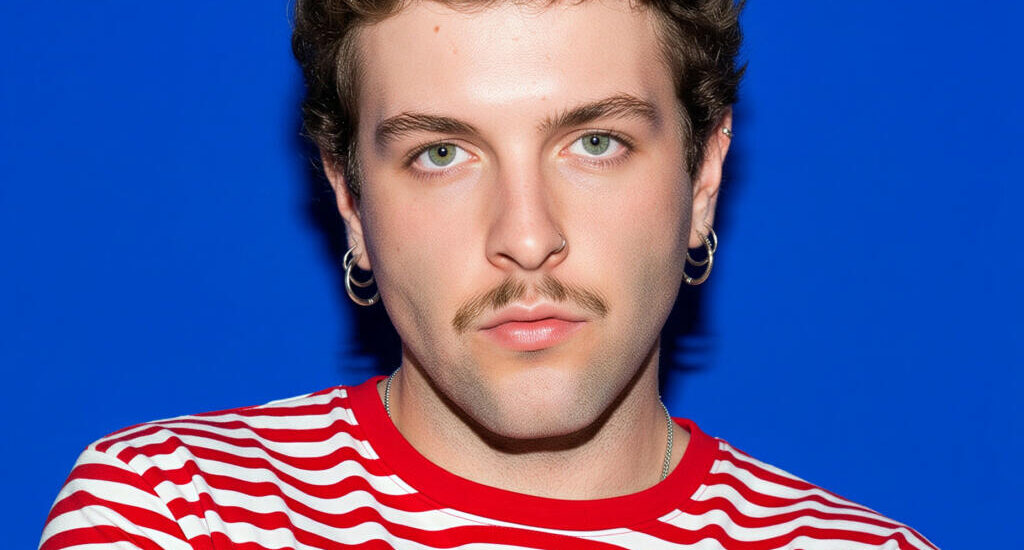
An Interview with Jesús Terrada Gómez
Creative Strategist, Freepik
What if the future of filmmaking wasn’t about learning more tools… but having all of them in one place?
Jesús Terrada Gómez is watching that shift happen in real time. From stock assets to a full AI-powered creative ecosystem, Freepik isn’t just adapting to the future… it’s trying to centralize it.
And for creators trying to keep up, that changes everything.
For those who don’t know anything about Freepik, tell us about it.
Back in the day, Freepik was a stock site. We sold images, videos, vectors, illustrations.
Then the AI revolution happened, and we decided to move toward technology. We started developing tools, including models, and now we’ve become a full creative suite.
We’re basically surfing the wave right now.
What’s your role in the company?
I’m a creative strategist inside the marketing department.
I work with a lot of creatives across the company, mostly on campaigns and content. It’s very hands-on, very creative work.
What brought you into this industry in the first place?
I’ve always been creative.
As a kid, I was obsessed with drawing and painting. Then as a teenager, I started writing and illustrating too.
When AI came along and I had the chance to use it, I realized how easy it was to bring ideas to life. Before, I could only illustrate something. Now I can turn that idea into a whole movie.
That completely changed things for me.
A lot of filmmakers are still hesitant about AI. What would you say to them?
We’ve been here before.
Think about photography. When it appeared, painters thought it would kill painting. But instead, painting evolved into new movements like impressionism and surrealism.
The same thing is happening now.
Yes, people are afraid. But if you go online and look at AI content, there’s a lot of it… and only a small percentage is actually good.
You can always tell when there’s a human behind it.
Creativity will always be human. The tools just change how we express it.
So don’t be afraid. Take advantage of how accessible this technology is.
One of the things people love about Freepik is that everything is in one place. What tools are actually inside the platform?
We have a wide range of models and tools.
For image generation, we have Flux, Google models, Ideogram, Recraft, Seedream.
For video, we integrate the best tools available. And that’s the key point. We’re constantly testing what’s out there and bringing the best models into one platform.
Each model has different strengths. Some are better for illustration. Some for photorealism.
Instead of paying for multiple subscriptions and jumping between tools, you can access everything in one place.
That’s the value we’re trying to provide.
You’re also working with filmmakers and launching original content. What’s behind that move?
For me personally, it’s about staying connected to the space.
I don’t just want to create for Freepik. I want to be out there, meeting other creatives, learning workflows, sharing knowledge.
Two or three years ago, there were only a few people in this space. Now it’s growing fast, and it feels like we’re all building something together.
As a company, it makes sense to be part of that evolution.
You’ve partnered with creators on actual series like Kevin the Kid. Why move into that space?
Because this is the era of creatives.
If you’re an AI company, you need to be aware of what’s happening in the industry. And right now, the natural evolution is into series, films, and storytelling.
So working with creators like Kevin the Kid makes sense. These are people we trust creatively, and we want to support them beyond just giving them tools.
Are you planning to do more of these collaborations?
Yes.
We have something called Freepik Originals, and the goal is to keep collaborating on series, movies, and other creative projects.
Not just providing tools, but actually supporting creators throughout the process.
If a creator wants to work with Freepik Originals, how does that happen?
It works both ways.
Sometimes we reach out. Other times creators can submit.
There’s a landing page where you can register, and there’s a team reviewing everything that comes in.
If you look ahead two years, where do you think all of this is going?
I think AI will finally be recognized as a real creative tool.
Right now, traditional spaces like awards or major institutions haven’t fully embraced it. But that will change.
We’re going to start taking space in those traditional industries.
And the most exciting part is that more people will be able to create. People who didn’t have the resources before will now have a voice.
Every day, I go online and see more genuine art being made with these tools.
That’s where we’re going. More creators. More stories. More space being taken.