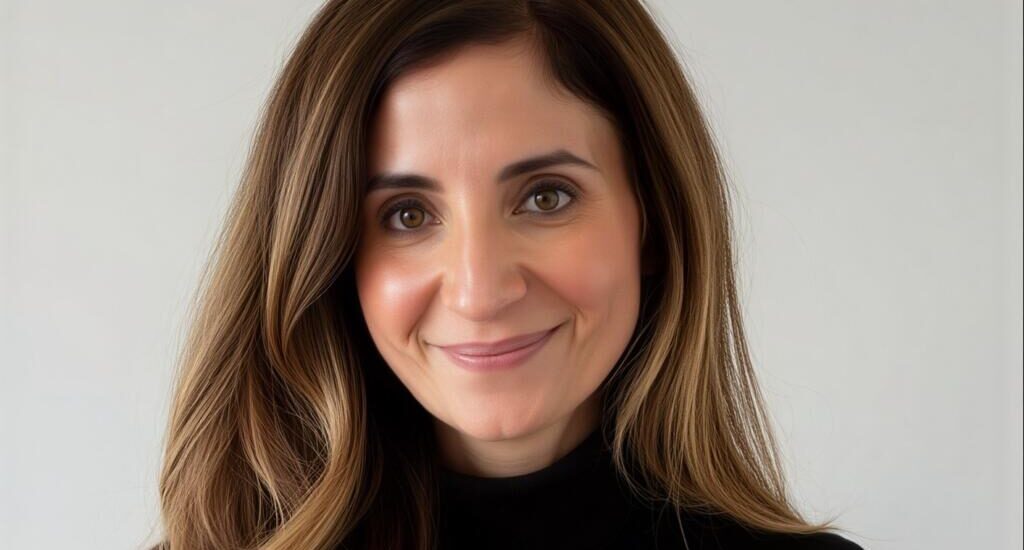
CEO, Uscreen
Most creators spend years trying to get a platform to say yes.
Allison Yazdian is building the tools that let them stop asking.
As the CEO of Uscreen, she’s helping thousands of creators launch their own “Netflix-style” platforms where they control the brand, the audience relationship, the data, and most importantly the revenue. In a world where algorithms change overnight and licensing deals are disappearing, Uscreen is betting on a simple idea.
Own your audience. Own your platform. Own your future.
For those who aren’t familiar with you or Uscreen, tell us what the platform actually does.
Uscreen is a video monetization platform for anyone who has great video content and wants to monetize it directly with their audience.
Most of our customers use it to build recurring subscription businesses. The easiest way to think about it is creating your own Netflix.
Creators can charge monthly subscriptions, one-time purchases, rentals, livestream tickets, or pay-per-view events. But what makes Uscreen different is that we help them manage the entire business, not just host videos.
That includes pricing tiers, building a video catalog, community features, engagement tools, and a full CRM and marketing automation system so creators can stay connected with their audience.
Many creators today are looking for alternatives to platforms like YouTube or Patreon. Why would someone choose Uscreen instead?
The biggest difference is ownership.
Platforms like YouTube or Patreon host your content inside their ecosystem. With Uscreen, creators build a completely white-label experience. Their own website. Their own apps. Their own brand.
We can build mobile apps and TV apps for them, or they can start with just a website.
But the key thing is that they own the customer relationship. The audience data belongs to them. That means they can reach their viewers whenever they release new episodes, launch a new series, or promote a new product.
And financially, creators typically keep much more revenue because they’re not splitting it the same way they would on other platforms.
A lot of creators today are making scripted content. How does Uscreen work for narrative series or dramas?
It actually works really well depending on the amount of content someone has.
Some creators use a subscription model where viewers pay a monthly fee to access a library of shows and future releases. One example is a scripted platform called UCult.TV, which built its own Netflix-style experience using Uscreen.
They had previously distributed their content through other channels, but once they realized they had a strong audience, they launched their own platform and monetized directly through subscriptions.
Recurring revenue is really the holy grail of monetization, and a lot of creators come to Uscreen because we help them build and retain paying subscribers.
What other monetization models do creators use on the platform?
Many creators start with transactional sales.
That could be renting a movie, charging for access to a livestream event, or selling bundles of content. Over time, many transition to subscriptions because recurring revenue makes their business more predictable.
But the flexibility is important. Every creator can price and package their content however they want.
Some even combine models like pay-per-view events that lead into subscription memberships.
One of the interesting things about Uscreen is that creators can build their own apps. How does that work?
When someone works with Uscreen, they can launch a full ecosystem.
That could include a website, mobile apps for iOS and Android, and TV apps like Roku, Apple TV, and Amazon Fire TV.
On the backend, creators manage everything from a single dashboard. But the user experience is tailored to each device.
For example, mobile apps often include community features where viewers can comment and engage. TV apps focus on lean-back viewing with a Netflix-style browsing experience.
Let’s do a thought experiment. Imagine a creator making a preschool series about magical singing bears. How could they monetize that using Uscreen?
They could start with a course or a structured content library.
For example, three educational episodes teaching ABCs or numbers. They could upload the videos, design the course, create thumbnails, and price it however they want.
Then they could market it through email lists or social media. Our CRM and marketing tools help automate those campaigns.
Creators can offer free previews, discounts, or bundle content into larger memberships.
Over time, that single show can grow into a much bigger content ecosystem.
Many creators start on platforms like YouTube. How does Uscreen fit into that ecosystem?
YouTube and social media are incredible discovery tools. But Uscreen becomes the premium destination.
Creators typically continue posting content on YouTube while directing their audience to Uscreen for exclusive content, longer episodes, movies, or community experiences.
It becomes a transmedia strategy where social platforms drive discovery and Uscreen becomes the core business.
There’s a huge trend right now around vertical micro-dramas. Is that something Uscreen supports?
Yes, and it’s something we’re actively expanding.
Currently creators can organize episodic content in collections and unlock sequences of episodes. We’re also building new functionality to better support vertical storytelling formats because the demand is growing rapidly.
That’s something we expect to roll out further in the near future.
Livestreaming seems to be becoming more important for creators. How does that factor into monetization?
Livestreaming is a powerful engagement tool.
Creators can host live events, Q&A sessions, premieres, or community experiences.
Sometimes those are included in subscriptions. Other times they’re sold as individual tickets.
It’s one of the best ways to deepen the connection between creators and their audiences.
Looking ahead, where do you see Uscreen and the creator economy going in the next two years?
More creators are going to bet on themselves.
Technology, including AI, is lowering the barriers to producing content. But what won’t change is the value of having a direct relationship with your audience.
Video content will continue to grow. Community will matter more. And creators will want a destination where their audience can gather around their content without being controlled by algorithms.
That’s the future we’re building toward.
A place where creators own the platform, the relationship, and the business behind their work.