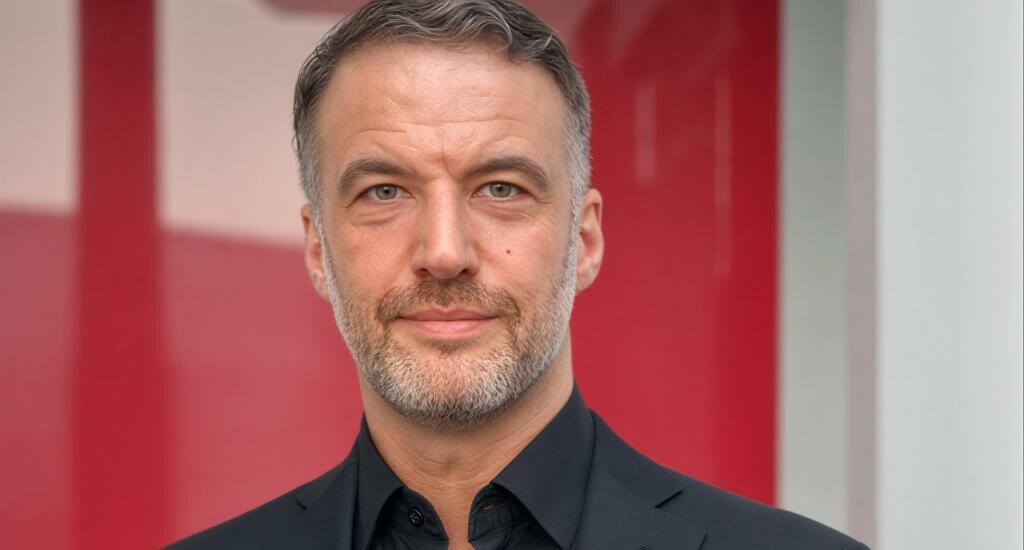
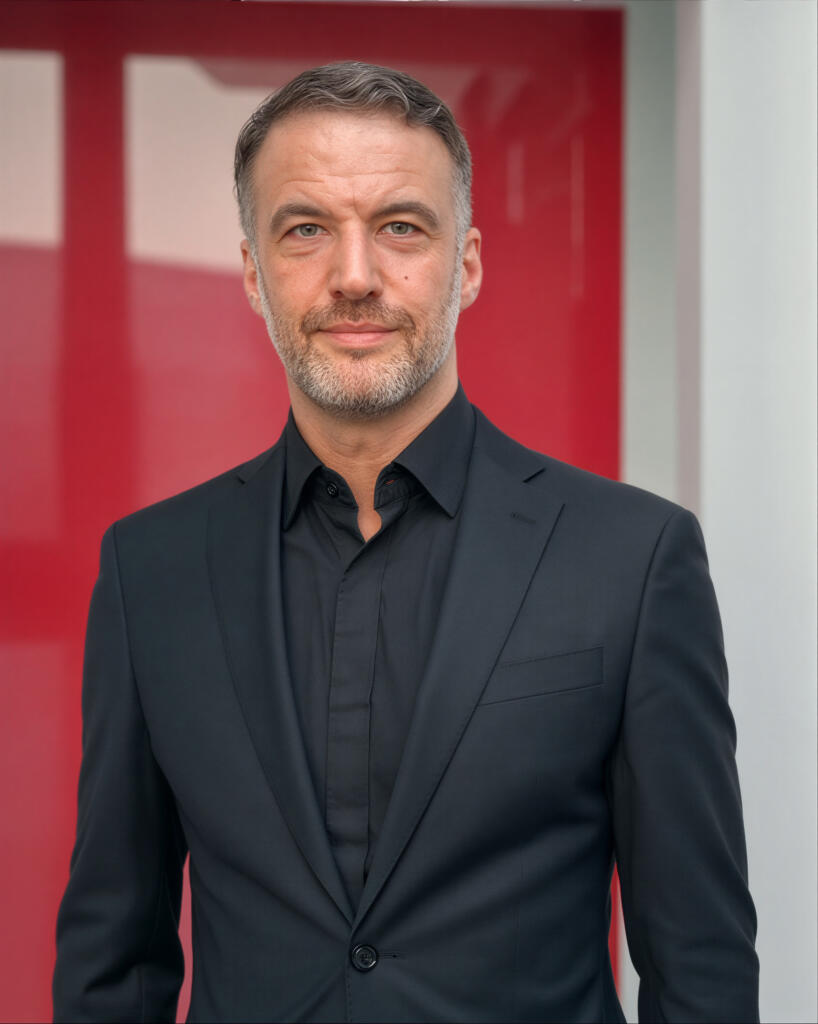
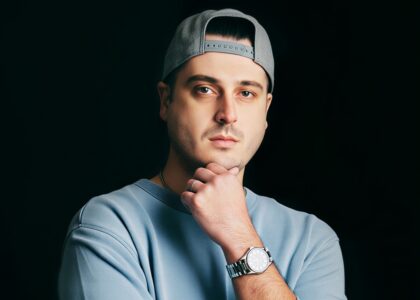
Ryan Phillips is the kind of filmmaker the current moment was built for. Properly trained. Deeply experienced. Forged inside the traditional system and then quietly freed by new tools. He didn’t arrive at AI chasing novelty. He arrived with decades of craft, frustration, near misses, and hard-earned perspective.
I’ve been a big fan of his work for quite some time and I was really looking forward to having this conversation with him. What makes Ryan compelling isn’t that he uses AI. It’s that he understands story, performance, and cinematic language at a level most people experimenting with these tools simply don’t. He’s living proof that when real filmmakers start using AI seriously, the conversation changes fast.
You’re clearly a filmmaker first, not someone who just discovered tools. What’s your background and how did you come up through this industry?
I studied film at Southampton for three years. We learned everything the traditional way. 35mm. 16mm. Editing. Scriptwriting. In our final year we shot a short on Super 16.
After school, I had projects funded by the British Film Institute. In the UK, early filmmaking is very grant driven. You apply centrally, show pedigree, build a track record. At the same time, I was working in television. I started as a cameraman and eventually became a lead director at the BBC.
Some of my short films screened internationally. I pitched features. Several got very close and then collapsed at the last hurdle, which is brutal. Eventually I stepped back from shorts and focused on television, where my career accelerated.
Then I discovered AI around the pandemic.
What was your first reaction to AI. Excitement or skepticism?
At first, there wasn’t much to be afraid of. Early Midjourney felt like a party trick. You’d type words and an image would appear. It was rough, but there was a sense of wonder.
Very quickly though, it moved toward photorealism. That’s when I thought this could be a serious storytelling tool. I’m not a trained illustrator. My dad is. Royal College of Art. But I’m not. So storyboarding was always a limitation for me.
AI removed that instantly.
I started storyboarding shorts. Then I started making shorts with stills and moving them in After Effects. Looking back now, it’s PlayStation 1 level, but at the time it felt revolutionary.
Then Runway invited me to beta test their first video to video tools. That was the first real leap. Even then, it was obvious this was going to have a profound impact.
As a trained storyteller, how has your process changed using AI.
It’s evolved a lot. I used to be very traditional. Script. Storyboard. Build generations. Assemble from there.
Now the speed of iteration changes everything.
Over Christmas, I made a short where the entire story came from a single still. I was experimenting with style prompts and one image stood out. Instead of writing first, I worked backwards. I let that image dictate the story.
On a professional level, you still need structure. Teams need clarity. Clients need to see intent. But when you’re working solo, the old limitations disappear. You’re not asking for money. You’re not waiting for approval. You can just create.
In the last week or two especially, the process has changed again. With continuity prompts, character uploads, motion tools, you can rough out something incredibly close to final. In a year, you’ll be able to upload a script and generate a full visual draft that you refine instead of build from scratch.
Can people actually make a living doing this today?
Yes. Absolutely.
I’ve been doing this for nearly two years now as my main income. There are staff roles inside companies. Amazon. Netflix. Production companies. There’s advertising. Previsualization. Narrative testing. Hybrid workflows. Model demo content.
It’s fragmented, but there’s a lot of work.
If you want freelance work, the answer is simple. Post good work online.
LinkedIn is huge. X is huge, especially with model makers. You get invited into creator programs. Your credit costs drop. You can make more work. That work becomes your storefront.
From there, you get more invitations.
This is already bleeding into professional workflows. Background replacement. Hybrid VFX. AI assisted cinematography. It’s happening now.
If someone wants to break in, what should they actually do?
Post consistently. Make great work.
Thirty second pieces work well. You put less time in and get more return. Long pieces can work, but the algorithm is unpredictable.
More than anything, be authentic.
Don’t copy other people. Don’t chase zombie sci fi just because it’s popular. Find what’s uniquely yours. That’s what cuts through.
What about hybrid creators, traditional filmmakers, actors, writers?
This is the best moment they could ask for.
If I had these tools as a student, I’d have been unstoppable. Filmmaking is always about limitations. AI doesn’t remove creativity. It removes the ceiling.
You’ve got two people in a room. Fine. Now add a monster. Change the environment. Destroy the room.
Nano Banana is incredible for altering stills. Lighting. Sets. Mood.
Kling is fantastic for transitions. Smash through a window. Move locations seamlessly.
For actors, motion tools are unbelievable. You can perform as creatures that would normally cost a fortune in makeup and VFX. Clean Motion captures nuance. Performance survives.
Directors, writers, and actors are the most valuable people right now. These tools amplify them.
Where do you think this all goes over the next year or two?
Advertising moves almost entirely into AI within a year. We already saw it at the Super Bowl.
For narrative, hybrid will dominate this year. Animation especially. You’ll see AI animated features and series that audiences fully accept.
Next year, photoreal long form becomes real.
Beyond that, it stops being just filmmaking. It moves through gaming. Interactive worlds. Things we don’t have names for yet.
Every medium goes through this. At first Film copied theatre. Then close ups changed storytelling. Drones changed cinematography.
AI will do the same. It will absorb everything and become something new.