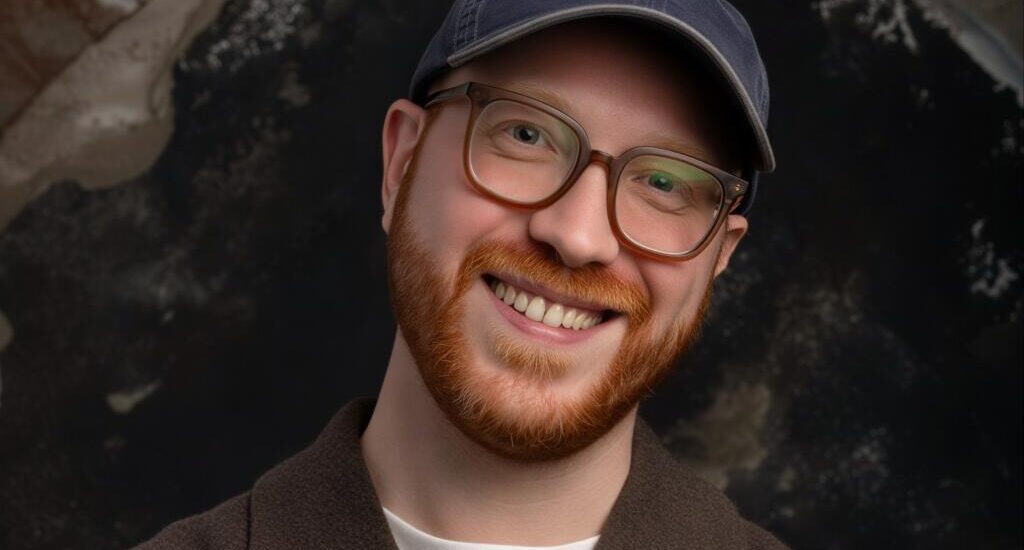
When I connected with the creator of Claynosaurz, Nic Cabana, the vibe was immediate. He was already plugged into the same circle of creators pushing this new kids and animation wave forward. That whole LinkedIn ecosystem where people are openly comparing notes, building in public, and trying to figure out what the next version of the industry even looks like.
Nic is based in Montreal. I’m in New Jersey. We joked about snow, cold snaps, and the weird pride that comes with surviving brutal weather once. Then we got into what Claynosaurz really is and why it matters.
Claynosaurz is proof that creators can green light themselves. Not in theory. In reality. Build the brand first. Build the audience first. Monetize early. Keep feedback loops tight. Keep the fan relationship intimate. Then scale into bigger stories and bigger business.
For people who don’t know Claynosaurz yet, what is it and how did it start.
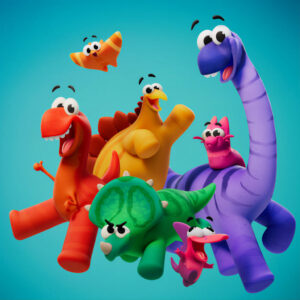
Claynosaurz is a transmedia, digital first brand. Transmedia meaning we tell stories across different platforms and formats. We do not limit ourselves to one expression, and we do not shy away from different audience segments as long as we follow the rules of the brand.
In plain terms, it’s a world of cute, colorful, quirky, sometimes mischievous dinosaurs. They have personality. They have behavior. They feel alive.
I come from an animation background. I started at Sony Animation back when they were doing things like Hotel Transylvania and Cloudy with a Chance of Meatballs 2. Later I became an animation supervisor, mostly creature work and VFX.
I worked on a lot. Paddington 2, Fantastic Beasts, Game of Thrones, Stranger Things, Jurassic World. Everything except Star Wars, somehow. Never got to do Star Wars.
When COVID started, I wanted to do my own thing. After years of building IP for big studios, you reach a point where you feel like you understand audiences and you start asking why you’re doing all this for someone else when you can go straight to the internet and do it yourself.
We were also exploring new tools and ecosystems. Social platforms, Roblox trends, gaming. We even looked hard at blockchain tech because if everything is going digital, collectibles will too. Global distribution. Direct ownership. Direct community.
So we built a team. About 13 people at first. Artists plus a couple friends helping on business. The content we wanted to make was too heavy to do alone.
Our go to market was digital collectibles. That was our early funding mechanism, and it also helped us find our first true fans. We built community channels, especially on Discord. We did IRL events for collectors. Then once we had early money and early fandom, we asked the next question.
How do we grow a brand? And the answer is people need to know the characters and love them. So we started making content on social. We treated it like a test kitchen. See what sticks. See what people respond to. Build in public.
And it worked. We’re close to a million followers globally now. We’re nearing 1 billion total views across platforms.
The secret sauce is the brand is being built in real time and the fans feel like they’re watching it happen. We read comments. We talk back. We adjust. We let the audience feel like they’re part of the build.
Our collectors are a key part of this. We get direct feedback from them, host experiential events where they meet each other and us, and we foster community through shared fandom.
It’s intimate. It de risks the whole thing. You get signals in real time and you package the brand with culture as it grows.
Let’s talk money. Because you didn’t start with a studio deal. You started monetizing early. What revenue streams are real for creators who have no money.
We started with digital collectibles, yes. And I know the word NFT scares people, but it’s just ownership tech for a digital asset.
Beyond that, physical product is huge. Merchandise. Clothing. Plushies. We sold direct to fans. We sold to our collectors first because that audience was already invested.
We’ve done a few hundred thousand dollars in plushie sales. We treat them like collectibles too. That collector mindset matters.
We’re building blind boxes. Vinyl. More physical product lines.
But digital is where people really underestimate what’s possible.
There’s a massive market in Asia for digital chat stickers. People use them like GIFs. Micro expressions that say everything. We realized that, and we did a limited edition sticker drop on Telegram.
We sold over $200,000 worth of chat stickers in about 30 seconds.
That’s not a brag. That’s proof of a bigger point.
Digital product is frictionless. No inventory risk. No shipping. Global distribution instantly. And kids understand digital ownership better than adults do.
In the US, people box digital into video games. Roblox. Fortnite. That’s too narrow. Digital product can live everywhere as platforms open up.
We monetize views a little. We’re starting on YouTube. But it’s not our strategy.
Our strategy is licensing. Brands pay you to show up. They pay for access to your audience. You’re not earning from views. You’re earning from leverage.
And you can turn that into story too. The brand borrows your culture. You borrow their equity. You see fashion brands doing it constantly.
There are endless paths. The bigger shift is rewiring your brain around what counts as a product.
What’s your big picture philosophy on where this is all headed.
It’s scary times across the industry. Oversaturation is real. AI makes it more real. Even YouTube monetization feels like a question mark now, and that used to be the safest path for a lot of creators.
So we think about it differently. How do you build monetization loops that don’t depend on getting paid for views.
Because in a world where content is everywhere, people will expect content to be free everywhere. Streamers have question marks too. So the question becomes, where do you make money when the barrier to entry keeps dropping.
Our answer is you build constellations. Multiple revenue paths. Digital and physical. And you stop thinking in the old linear pipeline where the goal is a single TV show deal or one studio green light.
Creators listening might be thinking okay cool, but how do I actually start. What do they do first?
Audience comes first. Always. Otherwise who are you selling to. Start posting content that can survive on its own. Evergreen. Relatable. Shareable.
We ask one core question before we post anything. Who will share this, who will they share it to, and why. That alone forces better content.
Be careful with trend hopping. It’s easy to hack the algorithm with trends and music. It inflates numbers, but it creates a rented audience. It does not create fandom.
Evergreen content builds real love over time. Treat social as a test kitchen. Make a lot. Watch what works. Try again.
For us, it took about seven videos before we had our first million view video. That clip was evergreen. Funny. Relatable. No trend. It created a flywheel.
Once you have a couple thousand followers, look at engagement, not views. Comments and shares matter more.
Then test a product.
Ask the audience. Bring them into it. Should the plush be green or black. Which version do you want. That’s feedback and co creation in real time.
You do not need to sell a million units. You need a few hundred people who care.Then repeat.
Brand building is a constellation. Fans start as tourists. You’re building a city. They return because the city has more than one attraction.
Content is one attraction. Shopping is one attraction. Community is one attraction. Events is one attraction. The point is the whole ecosystem.
And creators need to stop being afraid of monetization. If the brand cannot sustain itself, the art dies. You can also de risk physical product with pre sale systems. Kickstarter. Makeship. Campaign based manufacturing. No inventory gamble.
Once you sell anything, you have stats. And stats unlock bigger conversations. Licensing. Partnerships. Retail. Deals.
I noticed your shorts are basically tiny stories. It’s not just cute dinosaurs. It’s behavior. Pets. Moments. Payoffs. Talk about that.
Story doesn’t have to mean hero’s journey. It can be a moment. A day in the life. A relatable behavior.
Our dinosaurs often feel like pets. So we lean into that. People recognize their dog or cat in them. One of our biggest principles is payoff. People have low attention spans. If they stick with you for ten seconds, they should feel rewarded.
Hilarious surprise. Emotional punch. Unexpected turn. Something. That’s what triggers sharing.
If you could go back and warn yourself early on, what are the three things you would never do again.
First, we should have defined the macro rules of the world earlier. Being transmedia is powerful. Comics, shorts, episodes, games. But without firm world rules, you create friction internally because the team keeps having to figure out the foundations while you’re already building stories.
Second, trend hopping. We tried it early. It inflated numbers and didn’t build fandom. Trend content expires fast and becomes unusable later.
Third, trying to do everything ourselves. It’s not scalable.
As artists, we want control. We want to be in the weeds. But you have to build rails for scaling. Delegate. License. Focus your energy on the work only you can do, which is bigger stories and bigger world building.
I read you’re building something that helps other creators. What is that.
We’re building a platform that acts like an accelerator for original IP. It connects creators, fans, and investors. That’s HEEBOO.
The core idea is giving fans a real stake. Not just a donation.
Kickstarter works, but it’s a one way relationship. Fans take risk, wait years, then get a product and maybe a thank you. We think super fans deserve a layer of upside and ownership. Because without fans, there is no brand.
So we’re building a model that aligns creators, money, and fandom in a way Kickstarter cannot. Right now the focus is animation, but the North Star is everything. Live action too. Any kind of IP.
Because nobody is taking risks on original IP at scale right now. The market is oversaturated. Distribution is democratic. A kid with an iPhone can outperform Netflix on a Friday.
That reality forces soul searching. We think the solution is airtight fandom early, monetization loops early, and rewarding the fandom that helped build it.
That’s how original IP survives again.